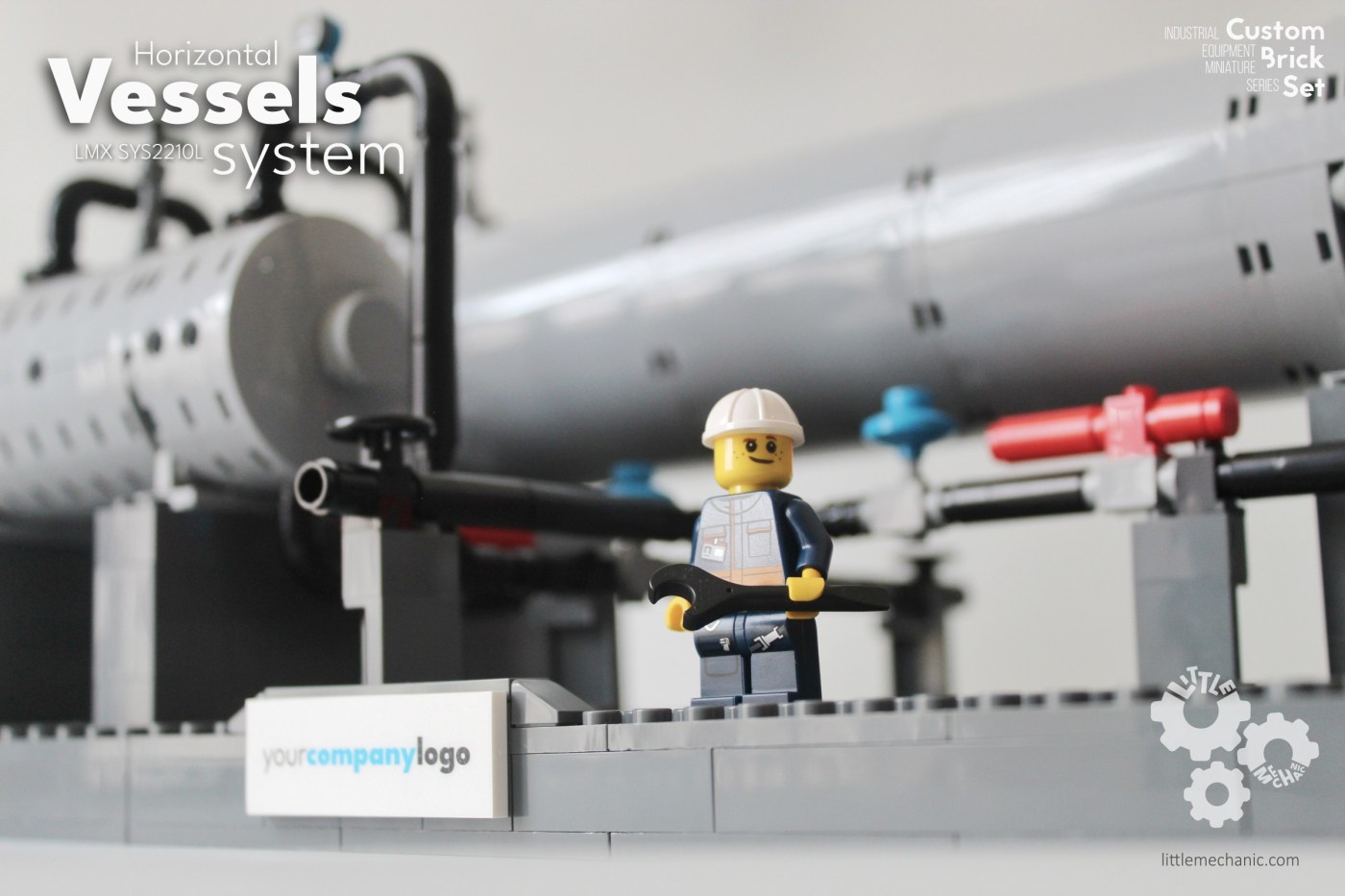
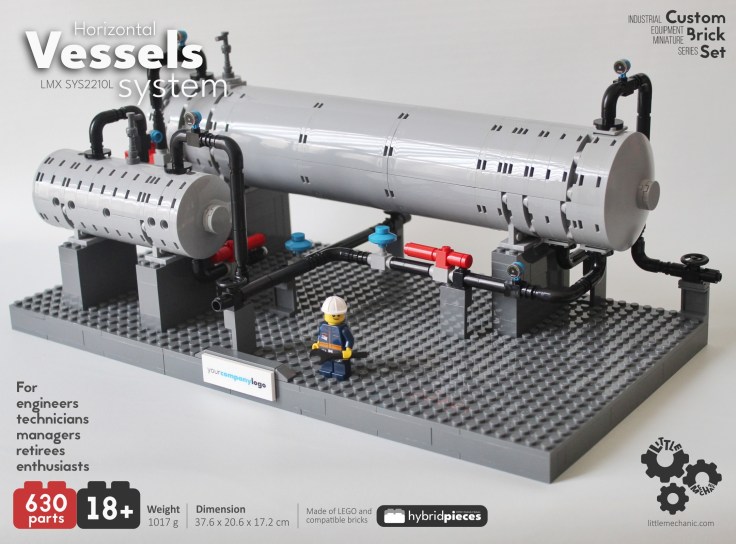
Did you know there are giant, submarine-shaped steel tanks lying low across every petrochemical plant you see? They don’t launch torpedoes, but they hold the raw power that keeps modern plastics, fuels, and chemicals flowing! Say hello to the horizontal pressure vessel, the heavy-duty workhorse of the industrial world.
An industrial horizontal pressure vessel is basically a high-tech metal capsule built to withstand extreme internal pressure without popping. Built to rest horizontally on sturdy saddle supports, here is what it does best:
- Receives volatile fluids under intense pressure 📥
- Separates oil, gas, and water using good old gravity ⚖️
- Stores liquid feedstocks safely without leaks 🔒
- Cools or heats chemical mixtures as a process shell 🌡️
- Keeps the refinery running smoothly 24/7 ⚡
These steel giants are essential in:
- Petrochemical plants (separating hydrocarbons like propane, butane, and naphtha)
- Oil & gas refineries (serving as 3-phase separators and knock-out drums)
- Chemical processing facilities (holding high-pressure reagents and gases)
🧪 Cool Features of These Heavyweight Capsule Tanks
- Built like a vault: Constructed from ultra-thick carbon steel or corrosion-resistant stainless steel to handle hundreds of pounds per square inch (PSI)!
- Gravity is their superpower: Resting sideways gives liquids a massive surface area, making it super easy for gas bubbles to escape up top while heavy liquids settle to the bottom.
- Curved end caps: The rounded ends (called ellipsoidal or hemispherical heads) evenly distribute high pressure so the metal doesn’t crack under stress. Pure engineering magic!
🧠 Fun Engineering Facts
- Thermal expansion trick: They are bolted down tight on one saddle support, but the other saddle rests on slotted holes! This lets the vessel safely stretch and shrink as temperatures change without snapping its foundation.
- Inspected from the inside out: Plant engineers enter these tanks through small access hatches called “manways” to perform non-destructive ultrasonic testing on the welds.
- ASME Code Stamp: Almost every vessel carries an official ASME Section VIII stamp—the absolute gold standard badge of safety in heavy manufacturing.
Today’s horizontal pressure vessels are tougher and smarter than ever. Outfitted with digital radar level sensors and advanced anti-corrosion linings, they keep complex chemical reactions safe and controlled.
In summary, the horizontal pressure vessel is the unsung guardian of the petrochemical grid. It may lie low on the ground, but it carries a massive weight to keep our modern world fueled and supplied.


Leave a comment