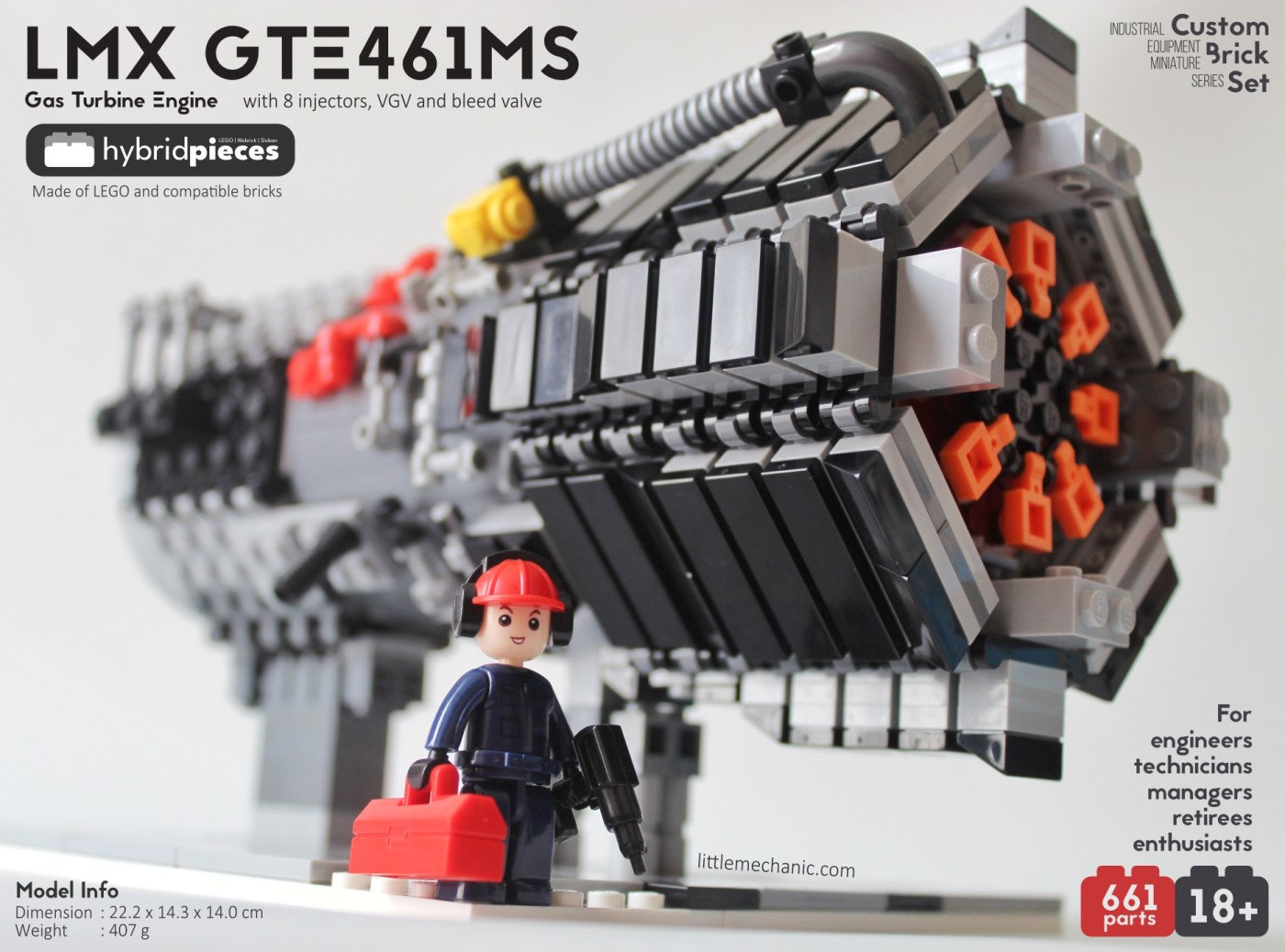
Did you know there’s a version of the gas turbine that doesn’t fly? But instead, it powers entire cities and massive factories? Say hello to the industrial gas turbine, the muscle-bound, ground-based cousin of the jet engine.
An industrial gas turbine is basically a jet engine on caffeine. Built not to fly, but to generate electricity or drive mechanical equipment like compressors and pumps. Here’s what it does:
1. Sucks in tons of air 🌬️
2. Compresses it super tight 🗜️
3. Adds fuel and ignites it 🔥
4. Spins turbine blades with the hot, high-pressure gas 💨
5. Generates power ⚡
These giants are used in:
- Power plants (especially combined-cycle plants)
- Oil & gas facilities (to generate electricity or to run compressors and pumps)
- Industrial complexes that need both heat and power (combined heat and power systems)
🧊 Cool Features of These Hot Machines
- Can run on multiple fuels: natural gas, diesel, or even hydrogen
- Built to run 24/7: these beasts don’t take coffee breaks 😁
- Operate at extreme temperatures: turbine blades face 1,500°C+ and are cooled with tiny precision air holes. Engineering magic!
🧠 Fun Engineering Facts
- The inside spins at up to 11,000 rpm, but the outside stays still (thankfully!).
- Turbine blades are often made from single-crystal metals. Literally grown like sci-fi gems.
- Some are part of combined cycle power plants where waste heat is used to power a steam turbine. Giving you up to 60% efficiency.
Today’s industrial gas turbines are evolving. They’re getting cleaner, hydrogen-capable, and more efficient. It helps reducing emissions while still providing stable, on-demand power.
In summary, the industrial gas turbine is the quite hero behind your electricity, your factory-made goods, and even your clean water. It may not fly, but it sure knows how to roar, and keep the world spinning!
 Little Mechanic
Leave a comment